 Culture
Why Dubai's Boutique Fitness Scene is Booming (And How to Access It for Less)
Why Dubai's Boutique Fitness Scene is Booming (And How to Access It for Less)
Dubai is not a city that does anything at half-intensity. Its skyline is extreme. Its summer heat is extreme. Its hospitality culture, its car culture, its appetite for novelty — all of it operates at a register above the baseline. It is not surprising, then, that Dubai has built one of the most concentrated and competitive boutique fitness scenes anywhere in the world. What is perhaps more surprising is how inaccessible much of it has remained — locked behind membership fees, class packs, and single-studio commitments that don't suit how people in this city actually live. That is beginning to change.
The Numbers Behind the Boom
The UAE wellness market has grown at a pace that has consistently surprised analysts. Research across the sector points to the Emirates as one of the fastest-growing wellness economies in the world, driven by a population that is young, high-income relative to global averages, and health-aware in ways that previous generations were not. Dubai specifically has seen a proliferation of boutique fitness concepts — reformer pilates studios, barre studios, cycling studios, boxing gyms, HIIT concepts, and yoga shalas — that would be remarkable in any city and is extraordinary in one that barely had a fitness culture twenty years ago.
The shift happened across multiple reinforcing trends. Social media made fitness visible and aspirational. The rise of remote work and flexible schedules created space in the day for fitness that 9-to-6 office hours had previously squeezed out. The post-pandemic focus on physical and mental health accelerated investment in self-care. And Dubai's continuing influx of internationally mobile professionals brought fitness habits and expectations formed in London, New York, Sydney, and Paris to a city with the infrastructure and disposable income to match them.
The result is a market where boutique fitness studios have moved from novelty to mainstream at remarkable speed. In Dubai Marina alone, you can access reformer pilates, barre, boxing, HIIT, hot yoga, aerial yoga, and a dozen other formats within a five-minute drive of each other. This is a city where the boutique fitness offering has, in many categories, surpassed what is available in cities with far longer fitness traditions.
What "Boutique" Actually Means in Dubai
The word boutique gets overused in fitness marketing globally, but in Dubai it has a relatively specific meaning. A boutique fitness studio is a specialised, single-discipline or limited-discipline space that prioritises experience, environment, and community over scale. It is not a commercial gym with group fitness classes bolted on. It is a dedicated environment designed around one thing.
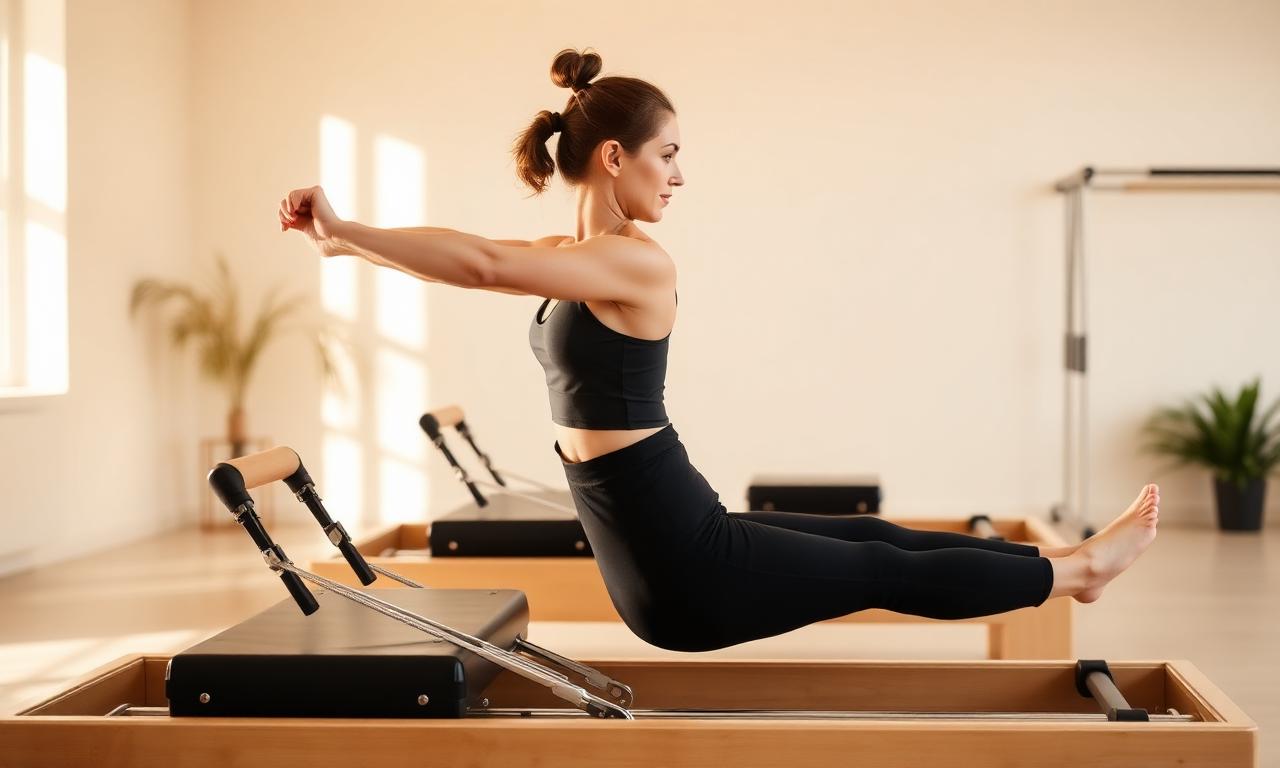
In Dubai, boutique studios have invested heavily in physical infrastructure — Balanced Body reformers, Technogym bikes, specialist flooring, acoustics, lighting, and aesthetic design that makes the space feel like a premium environment worth paying for. Many have invested equally in instructor talent, recruiting internationally certified coaches and building educational cultures that retain staff for longer than the Dubai market average.
This investment has a cost, and that cost is passed on to members. A boutique reformer pilates class in Dubai will typically run between 130 and 220 AED for a drop-in session. A monthly unlimited membership at a well-regarded studio can exceed 2,000 AED. These numbers reflect genuine operating costs in a city where commercial rent, labour, and equipment maintenance are all expensive — but they also create a real accessibility problem for residents who want to engage with the boutique fitness scene without a monthly budget allocation that rivals a car payment.
Why Membership Models Don't Work for Everyone
The boutique fitness industry globally has been built on a subscription and class pack model that made sense in an era of routine and predictability. Buy a monthly membership, commit to three sessions a week, build a habit, renew. For a certain type of client — settled residents with stable schedules and a clear affinity for a single studio — this model works extremely well.
But Dubai's population is not that. Dubai's resident population is one of the most transient and schedule-unstable in the world. Expat professionals here travel frequently — a week in London one month, Riyadh the next. Their work hours fluctuate with project demands. Many live between Dubai and another city, maintaining dual bases that make a fixed monthly membership at a specific studio actively wasteful.
Even residents who don't travel extensively often find that the commitment model doesn't suit them. They are curious, they want to try different disciplines and different instructors, they don't want to feel locked into one space. The explosion of fitness options in Dubai has, paradoxically, made people less willing to commit to one of them — because the opportunity cost of commitment feels higher when there are forty excellent alternatives nearby.
The Empty Spots Problem
Here is the economics of boutique fitness that most clients never see: every studio, every day, has unsold spots in scheduled classes. A reformer studio with twelve machines and a 9am class might have eight members booked. Those four empty reformers generate exactly zero revenue, but the studio still pays for the instructor's time, the air conditioning, the equipment maintenance, and every other fixed cost of operating the session.
Studios manage this empty inventory in various ways. Some offer late-registration discounts on their own booking platforms. Others text their member list with last-minute openings. Many simply absorb the loss and focus their energy on selling more memberships. What they have not historically had is an efficient way to surface available spots to the wider market of people who would attend if they knew about them and the price was right.
This is precisely the gap that platforms like Studioo address. By aggregating last-minute available spots across Dubai's top boutique studios and releasing them at discounts of up to 50%, Studioo creates a win for studios (revenue from slots that would otherwise be empty) and a win for fitness consumers (access to premium studios at prices that make casual exploration financially viable). The studio fills its room. The client discovers a new space. Neither party has made a long-term commitment they might regret.
The Effect on Dubai's Fitness Culture
The emergence of last-minute booking platforms is quietly reshaping how Dubai residents engage with boutique fitness. Rather than picking one studio and staying loyal out of inertia, a growing number of people are building what you might call a fitness portfolio — a rotating selection of studios and disciplines that changes based on mood, schedule, and what happens to be available at a good price.
This is actually a healthier approach to fitness than the single-studio commitment model. Cross-training across disciplines reduces injury risk, maintains broader motivation, and exposes practitioners to different teaching methodologies that collectively improve their overall movement quality. Someone who does reformer pilates three times a week and occasionally adds a barre class or a boxing session develops a more well-rounded fitness base than someone who only ever does one thing.
It also accelerates discovery. Dubai's fitness scene is full of genuinely excellent, innovative studios that never achieve the profile of the market leaders purely because of marketing budgets. Last-minute booking platforms surface these hidden gems to clients who would never have found them through organic search or social media — which is ultimately good for the health of the overall ecosystem.
How to Navigate the Dubai Fitness Scene Without Overspending
The practical playbook for engaging with Dubai's boutique fitness scene without committing to expenditure you'll regret is straightforward.
Start with a month of exploration. Use last-minute platforms to attend different disciplines at different studios across the city. Budget around 400 to 600 AED for this exploratory phase, knowing that you're accessing classes that would normally cost 1,000 to 1,400 AED at standard pricing. Pay attention to what you enjoy, what challenges you, and where the community feels right.
After your exploratory month, identify one or two studios where you want to build a regular practice. At this point, investing in a class pack or membership makes sense — you're making an informed decision based on experience rather than a bet based on marketing materials.
Maintain variety even after you've committed. Keep a last-minute booking app on your phone for the weeks when your schedule doesn't allow your usual studio sessions, or when you want to add a supplementary discipline. The gap between your committed classes and a full week of training is exactly what discounted spot-booking is designed to fill.
Dubai has built something genuinely impressive in its boutique fitness infrastructure. The barrier to accessing it intelligently — without paying full price to discover what you like and without committing to models that don't suit your lifestyle — is lower than it has ever been. The boom is not slowing down. The question is whether you're getting value from it.
The Future of Boutique Fitness in Dubai
The trajectory points toward continued growth, increasing specialisation, and a market that increasingly rewards operators who can combine genuine quality with flexibility. The studios that will win the next chapter of Dubai's fitness story are the ones that understand that their best potential members are actively deterred by rigid membership commitments — and that filling every spot with a motivated, engaged client is worth more, in the long run, than maximising membership income from clients who have stopped coming but haven't cancelled yet.
The city is ready for a fitness culture that works as dynamically as the people who live in it. That culture is already taking shape, one last-minute booking at a time.